Most builders meet the insurance side of a project late. The policy renews, the course-of-construction coverage gets bound, a carrier asks its questions — and by then, the framing material has been decided for months. Whatever the answers are, they describe a building that already exists on paper. This post argues for a simple reordering: the risk conversation belongs in the build plan, while framing is still a choice — and when it happens there, it can be a documented conversation instead of a surprised one.
What a carrier is looking at
When a broker or carrier evaluates a project, materials are part of the file. That is simply how underwriting works: what a building is made of is one of the facts on the table. Cold-formed steel framing carries a material property worth stating plainly, because it needs no salesmanship: steel does not burn. It is non-combustible. It does not rot, it does not feed mold, and it is not food for pests. Those are properties of the material itself, and they are the kind of facts a broker can take into a carrier conversation. What they are not — and what this channel will not turn them into — is a premium outcome. How any given carrier weighs a given project is that carrier's determination, made on the whole file: location, occupancy, protections, history, and more.
Documentation is the deliverable
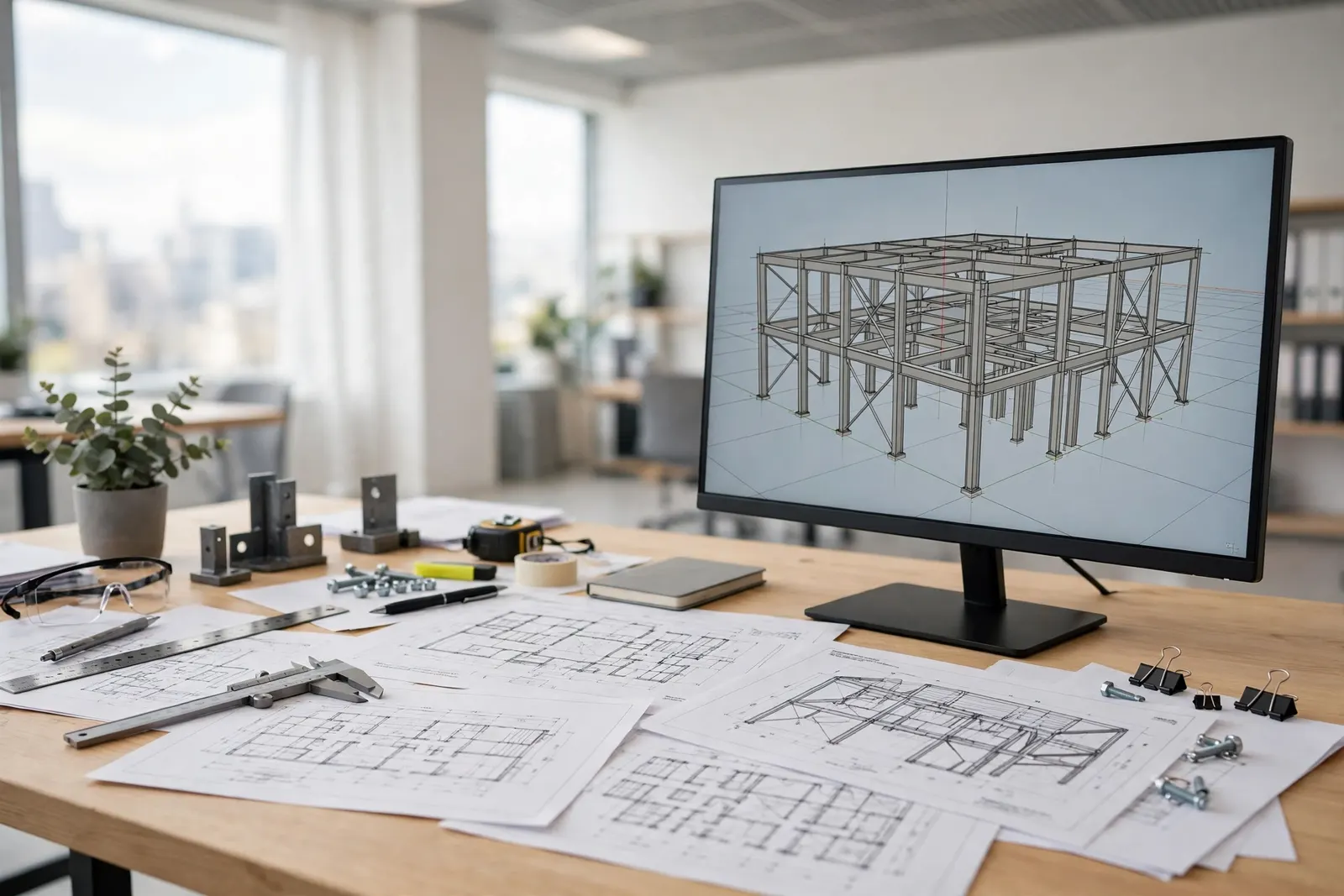
Material is only half the conversation. The other half is how well the project is documented. A framed building that arrives through a conventional process often exists, for risk purposes, as a set of plans and a builder's reputation. A build that runs through the plan-to-panel process produces a different paper trail as a matter of course: the plans measured into a fabrication model, engineering handled within the process with stamped drawings delivered, field files that tie components to the building they became. That record can give your broker something concrete to present — what was designed, what was engineered, what was actually installed — rather than a verbal assurance that the framing is sound. Documentation does not negotiate. But it can make the negotiation about facts.
Start earlier than feels necessary
The practical move is timing. Bring your broker into the conversation while framing is still being decided, and bring the output of a project-fit review with you: the scope, the engineering path, the documentation the build will carry. Ask what the carrier will want to see. Ask what, if anything, about the project's material and documentation profile deserves a harder look. Those answers are worth the most before the decision hardens — afterwards, the same answers are just information. And if the answers come back unfavorable to a steel frame on a particular project, better to know it in the planning meeting than at the bind.
What we will not do
A short honesty section, because this topic attracts the opposite. Nobody on this channel will quote you an insurance result. Anyone who promises a specific premium outcome before a carrier has seen your project is guessing with your money. What we can do — all we claim to do — is help you walk into that conversation with a non-combustible framing system and a documented build file, early enough for the answers to matter. If that is the kind of risk conversation you would rather be having, the fit review is where it starts.